Best Friends Forever (With Someone Who Doesn't Know You Exist)
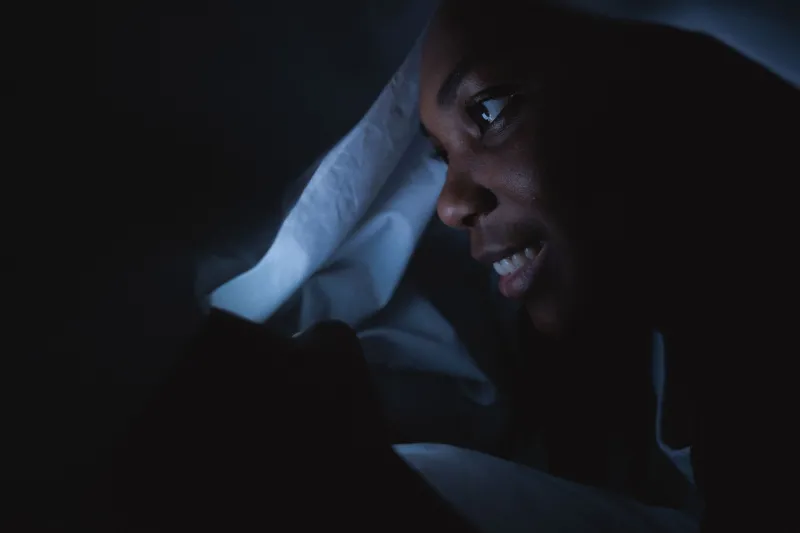
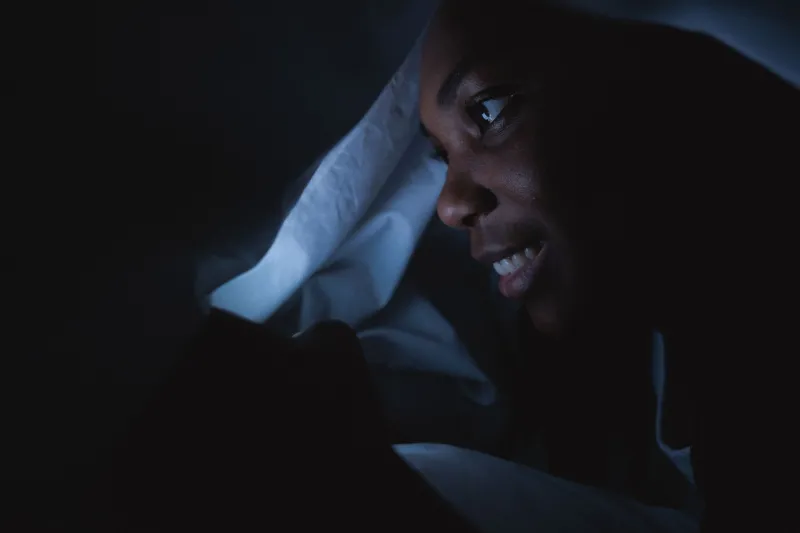
Let's set the scene. It's 11:47 PM on a Tuesday. You're lying in bed, watching a creator you follow talk about the fight they had with their roommate, and you catch yourself thinking, God, I would have handled that so differently for them. You feel protective. You feel invested. You might even feel a little betrayed that they didn't ask for your input.
They have 4.2 million subscribers. You are one of them. They do not know your name.
Congratulations. You have a parasocial relationship, and buddy, you are far from alone.
What Even Is a Parasocial Relationship?
The term was coined back in 1956 by sociologists Donald Horton and Richard Wohl, who noticed that television audiences were developing weirdly personal feelings toward TV personalities. They called these one-sided emotional connections "parasocial interactions" — essentially, a relationship where one party is fully emotionally invested and the other party is just... doing their job on a screen somewhere.
For decades, this was mostly a celebrity thing. People felt close to Johnny Carson. They cried when they heard about Princess Diana. Normal enough, in a distance-and-parasocial sort of way.
But then the internet happened. Then TikTok happened. Then Twitch happened. And suddenly, the parasocial relationship didn't just evolve — it mutated into something far more intimate, far more immediate, and honestly, far more confusing for everyone involved.
Why the Internet Broke the Parasocial Brain
Here's the thing about traditional celebrity culture: there was always a visible wall. Movie stars existed on screens. Musicians existed on stages. The gap between fan and famous person was obvious, architectural, and honestly kind of comforting in its clarity.
Internet creators demolished that wall with a sledgehammer and then filmed themselves doing it for content.
Modern creators don't just perform — they share. They film their morning routines, their mental health spirals, their grocery runs, their relationship drama, their therapy breakthroughs. They talk directly into the camera, directly at you, using your first name in comment replies, hopping on Instagram Lives where they answer questions in real time and laugh at your jokes.
Dr. Pamela Rutledge, a media psychologist and director of the Media Psychology Research Center, has pointed out that this kind of content activates the same neurological pathways as real human connection. Your brain, bless its ancient and easily fooled little circuits, cannot fully distinguish between a person talking at you through a screen and a person talking to you in real life. The warmth feels real. The familiarity feels earned. The friendship feels mutual.
It is not mutual. But your amygdala doesn't get the memo.
The Comfort Is Real, Actually
Before we spiral into judgment, let's pump the brakes for a second, because parasocial relationships aren't inherently pathological. In fact, for a lot of people, they serve a genuinely useful social function.
For someone who's isolated — whether by geography, social anxiety, disability, or just the soul-crushing loneliness of post-pandemic American life — a creator who shows up consistently in your feed can provide real psychological scaffolding. Routine. Familiarity. The sensation of being accompanied through the day.
Research from the University of Buffalo found that parasocial relationships can actually bolster self-esteem and reduce feelings of social rejection in people who are lonely. In other words, your attachment to a guy who reviews fast food on YouTube might be doing legitimate emotional labor for you. Is that a little sad? Maybe. Is it also deeply human? Absolutely.
Multiple people in online communities have described their favorite creators as "the friends I come home to," particularly during periods of grief, job loss, or depression. "I knew it was weird," one Reddit user wrote, "but when my dad died, I watched the same creator's videos every night for three months because their voice made me feel less alone. They'll never know that. But it was real to me."
That's not delusion. That's people using available tools to survive difficult seasons. We can hold both truths at once.
When It Gets Weird (And It Gets Weird)
Of course, the spectrum here is wide, and one end of it is significantly less cozy.
The same intimacy that makes parasocial connections feel warm can also make them feel entitled. Fans who feel like they know a creator personally sometimes begin to believe they deserve access, explanation, or loyalty in return. When a creator changes their content style, starts dating someone new, or — heaven forbid — takes a break, a subset of their audience reacts with the kind of betrayal usually reserved for actual personal relationships.
The comment sections after a creator announces a hiatus are a sociological goldmine and also a little bit horrifying. "How could you do this to us" is a sentence that gets typed, with sincerity, at strangers on the internet every single day.
Twitch has perhaps the most visible parasocial intensity of any platform, largely because live streaming creates a feedback loop that mimics real social interaction almost perfectly. A streamer sees your name in chat, responds to your message, laughs at your joke — and for a moment, it genuinely feels like hanging out. Do that a few hundred times over a few years, and your brain has basically filed this person under "close friend" without your conscious permission.
Psychologists note that this is where things can slide from healthy coping into something more concerning: when the parasocial relationship begins to crowd out real-world connections, or when a person's emotional wellbeing becomes genuinely contingent on a creator's output, approval, or continued existence online.
The Creator Side of the Equation
Here's a dimension that doesn't get enough airtime: this is also genuinely weird and sometimes frightening for the creators themselves.
Many creators have spoken openly about the dissonance of being deeply known by people they've never met. The fan who sends a heartfelt message saying "you've been my best friend for three years" is touching and also, if you sit with it too long, existentially strange. Some creators lean into the parasocial dynamic intentionally — it drives engagement, loyalty, and subscription revenue. Others find it deeply uncomfortable and struggle to maintain healthy boundaries with an audience that has emotionally moved in.
The creator economy has essentially industrialized intimacy, and nobody fully agreed to the terms and conditions.
So What Do We Do With This?
The honest answer is: probably nothing dramatic. Parasocial relationships are baked into how humans process media, and they're not going anywhere. The internet isn't going to become less intimate. Creators aren't going to stop talking directly into cameras. Your brain isn't going to suddenly develop the capacity to flag "this is a content professional, not your pal" every time someone you follow shares a vulnerable moment.
But awareness helps. Noticing when a parasocial connection is filling a gap that might benefit from actual human contact is useful information. So is recognizing when your reaction to a creator's personal choices is disproportionate — because that's usually a sign that the relationship has drifted from "enjoyable entertainment" into "emotional dependency."
The best version of a parasocial relationship looks a lot like enjoying a really good book: you care about the characters, you feel things, and when it ends you close the cover and go touch some grass.
The worst version looks like sending a 2,000-word message to a streamer explaining why they owe you an apology for changing their streaming schedule.
Most of us are somewhere in the enormous, complicated middle — attached to people we'll never meet, comforted by voices that don't know our names, and navigating a form of human connection that didn't exist thirty years ago and still doesn't have a rulebook.
Your internet best friend doesn't know you exist. That's okay. It's also a little blaa — in the most wonderfully weird way possible.