Your Vibe Was Invented in a Discord Server Three Years Ago
Here's a fun party trick. Next time you see a major brand drop a campaign dripping in washed-out earth tones, hand-stitched textures, and that particular shade of mossy green that makes you feel like you should be baking sourdough in a Victorian greenhouse — just know that look was obsessively catalogued, named, debated, and eventually abandoned by a micro-community on Tumblr sometime around 2020. You're not discovering a vibe. You're inheriting one.
Welcome to the strange, slightly haunted lifecycle of internet aesthetics, where the weirdest corners of the web keep accidentally writing the future of mainstream design, fashion, and culture — usually about three years before anyone else notices.
What Even Is an Aesthetic, Anyway?
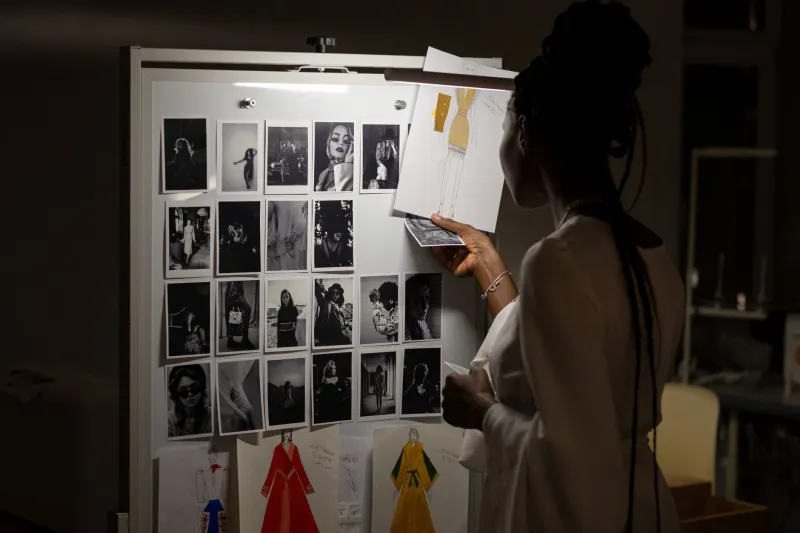
Let's get this out of the way. In internet-speak, an "aesthetic" isn't just a vague adjective your art teacher used. It's a fully loaded visual language — a complete mood board that comes with its own color palette, associated music, lifestyle implications, and in many cases, its own Wikipedia-adjacent wiki page on a site called Aesthetics Wiki, which is exactly as chaotic and wonderful as it sounds.
We're talking movements like dark academia (leather-bound books, Oxford courtyards, existential dread as a fashion choice), goblincore (mushrooms, rocks, the general energy of a raccoon who reads philosophy), cottagecore (linen, wildflowers, the fantasy of escaping capitalism to tend a goat), and Y2K maximalism (chrome everything, butterfly clips, the aesthetic equivalent of a dial-up connection sound). Each one of these started as a hyperspecific visual obsession shared between a relatively tiny group of people online before detonating into the mainstream.
The pattern is almost comically predictable at this point. And yet, somehow, it keeps working.
The Lifecycle, Explained in Four Painful Stages
Stage One: The Seed. Somewhere in a Tumblr tag, a Pinterest board, a niche subreddit, or a Discord server with a suspiciously poetic name, a small group of people starts organizing images around a shared feeling. There's no brand strategy here. No focus group. Just people who really, really like a specific vibe and want to find others who get it. The aesthetic gets a name — often absurd, always evocative — and a loose canon of reference images, music playlists, and fictional characters who "would" belong to this world.
Stage Two: The Bloom. TikTok enters the chat. Suddenly the aesthetic has a hashtag, a sound, and a creator with 200K followers making "what your [aesthetic] era says about you" videos. The community grows fast. Too fast. The original gatekeepers start feeling weird about it. Think pieces appear. "Is [aesthetic] being commercialized?" Yes. Obviously yes.
Stage Three: The Takeover. ASOS drops a collection. Urban Outfitters does a thing. A Kardashian posts something that vaguely gestures at the aesthetic without naming it, which somehow makes it more powerful. Your cousin repins 47 images of it on Pinterest. It's in a Target seasonal display. It's on a throw blanket. It's everywhere, it's nowhere, it's just the air now.
Stage Four: The Abandonment and Rebirth. The original community has already moved on. They're three aesthetics deep into something you won't see at Anthropologie until 2027. The mainstream version of the trend will live for another 18 months before everyone calls it "overdone." Meanwhile, in a Discord server you've never heard of, someone is posting a mood board that looks insane right now but will eventually be the reason every coffee shop in Brooklyn looks a specific way.
Why the Weird Stuff Always Wins
Here's the thing that makes this cycle so fascinating: the aesthetics that break through aren't random. They're almost always expressions of something the broader culture is quietly desperate for, but hasn't found the language to articulate yet.
Cottagecore didn't just blow up because people like flowers. It exploded during a period when millions of Americans were burning out in open-plan offices, doom-scrolling through a destabilized world, and fantasizing — even ironically — about a simpler, slower existence. The aesthetic gave that feeling a visual home before wellness brands, lifestyle magazines, or therapists had really caught up to naming the collective exhaustion.
Y2K maximalism's resurgence isn't purely nostalgia either. It's a very specific kind of grief for an internet that felt fun and chaotic and not yet fully colonized by algorithmic optimization. Chrome and butterfly clips are basically a visual protest against the beige minimalism of the 2010s.
The micro-communities building these aesthetics aren't just playing dress-up. They're doing something that functions almost like cultural forecasting — identifying emotional needs and packaging them into a visual language. It's just that they're doing it for love, not money, which is precisely why it lands so authentically.
The De-Influencing Wrinkle
The newest twist in this whole story is that "de-influencing" — the trend of creators actively discouraging overconsumption and calling out overhyped products — has itself become an aesthetic. Which is peak internet behavior. The visual language of anti-consumerism now has its own recognizable look: stripped-back backgrounds, unfiltered lighting, a specific kind of frank directness that reads as authenticity. And yes, brands are already trying to co-opt it. The cycle eats itself. It's beautiful. It's horrifying. It's both.
So What's Next?
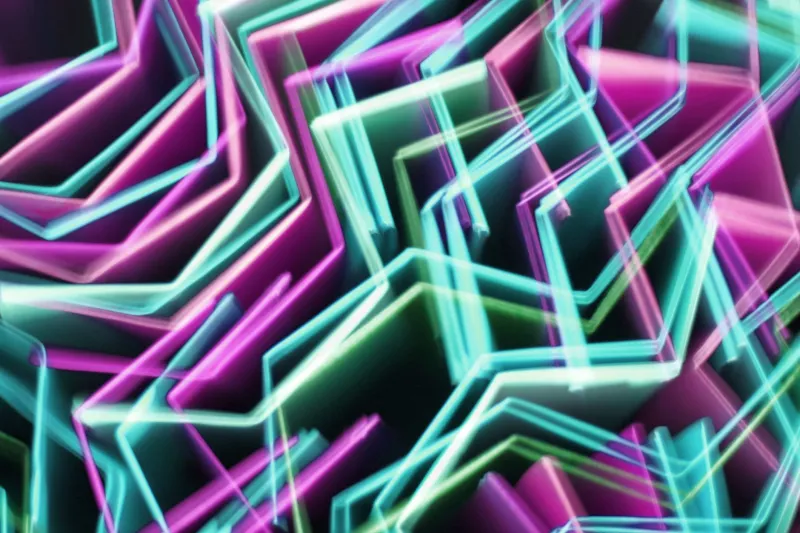
If you want a rough preview of what your local HomeGoods will look like in 2027, you could do worse than spending an afternoon on Aesthetics Wiki or falling down the rabbit hole of whatever micro-community is currently obsessing over something that makes no sense to you yet. Weirdcore — a deliberately unsettling, dreamlike visual style that looks like a fever dream rendered in MS Paint — has been quietly building steam. So has solarpunk, which imagines a future where technology and nature coexist in lush, utopian visual harmony.
Both feel niche and strange right now. Both are almost certainly going to be on a Target end cap eventually.
The internet's weirdest aesthetic micro-movements aren't fringe noise. They're the signal. The mainstream is just always running a few years behind, squinting at the horizon trying to figure out what the weird kids are doing — and then selling it back to everyone at a 300% markup.
Your vibe was invented in a Discord server. The invoice is coming.