The Fan in the Mirror: When Being a Creator Starts to Feel Like Being Hunted
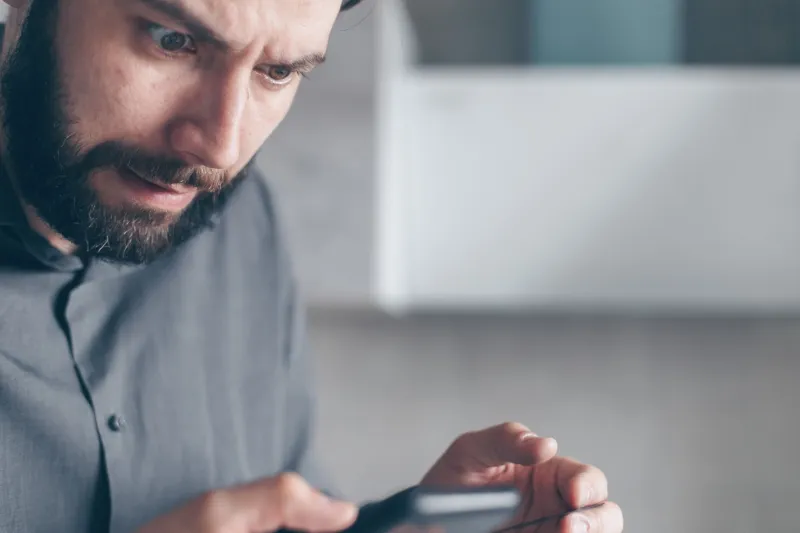
Imagine waking up and the first thing you do — before coffee, before brushing your teeth, before acknowledging that the sun exists — is check to see what your audience decided about you overnight. Not what they said to you. What they decided about you. Whether you're still good. Whether you messed up. Whether some clip from four years ago has been recontextualized into something that will require a fifteen-minute video apology by Thursday.
This is not a horror movie premise. This is Tuesday for a significant and growing number of content creators, and almost nobody is talking about it from their side of the screen.
We've collectively spent years unpacking the parasocial relationship from the audience's perspective — the one-sided intimacy, the parasocial breakup grief, the psychological mechanisms that make strangers feel like family. But the conversation has a blind spot the size of a stadium. What happens to the person on the other side when the audience's sense of ownership stops being flattering and starts being genuinely terrifying?
The Surveillance Economy of Being Loved Online
There's a specific phrase that shows up constantly in creator communities, usually whispered rather than posted publicly: "My audience knows me better than I know myself." It gets said with a laugh. It's meant to be charming. But sit with it for a second and the charm evaporates pretty quickly.
When fans compile years of your content to identify "patterns" in your behavior, when they create detailed timelines of your relationships, when they debate your mental health in forum threads with the confidence of licensed professionals — that's not just engagement. That's surveillance. And the person being surveilled is supposed to smile about it because the alternative is being called ungrateful.
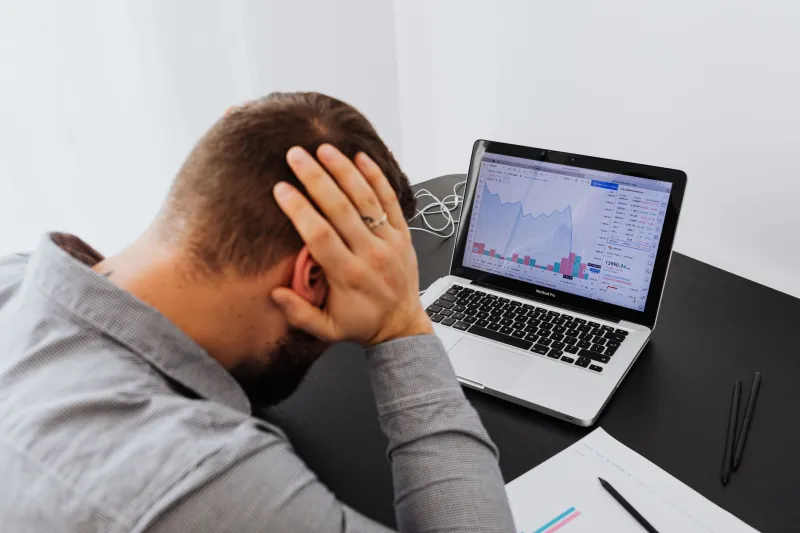
Creators who've spoken about this experience — usually obliquely, in podcasts or vague Twitter threads — describe a particular kind of hypervigilance that develops over time. Every word choice gets pre-screened internally. Every joke gets stress-tested for misinterpretation. Some describe it as a constant background hum of anxiety: How will this land? What will they think this means? Will they find the thing I didn't mean to say?
One mid-sized YouTuber described it to a podcast host as "performing authenticity for an audience that can tell when you're performing, so you have to perform not performing, and eventually you lose track of what wasn't a performance to begin with." That sentence should probably be in a psychology textbook.
When the Power Dynamic Flips
The conventional wisdom about parasocial relationships positions the creator as the one holding all the cards. They have the platform, the reach, the ability to set the terms of engagement. The audience is the passive recipient, pouring emotional energy into something that can never fully reciprocate.
But the dynamic gets complicated — fast — when the audience is large enough to exert real-world pressure. A coordinated fanbase can tank sponsorships, flood inboxes, organize harassment campaigns against people the creator has merely mentioned, or turn on the creator themselves the moment they do something that violates an unspoken contract the creator never agreed to.
This is the part that doesn't get discussed at creator conferences between panels on monetization strategy: the audience can become a form of leverage. Not always intentionally. Not always maliciously. But the implicit threat is real — keep being who we decided you are, or we will make things very difficult for you.
Smaller creators face a version of this too, and in some ways it's more insidious because the stakes feel more personal. When your entire community is 8,000 people who've been following you for three years, a significant chunk of them feel like they have a genuine relationship with you. The intimacy is real on their end. And when you inevitably grow, change, have a bad week, or simply make a decision they disagree with, the sense of betrayal is proportionally intense.
The Performance of Authenticity Has a Shelf Life
One of the more fascinating and deeply uncomfortable trends in creator culture is the authenticity arms race. Audiences have become increasingly sophisticated at detecting "fake" sincerity — the rehearsed vulnerability, the strategic oversharing, the carefully constructed "real moment." So creators have had to push further and further into actual rawness to maintain credibility.
But genuine rawness is exhausting and unsustainable, and it creates a feedback loop that's hard to break. The more real you've been, the more the audience expects. The more they expect, the less private space you have left. The less private space, the more destabilized your sense of self becomes. And a destabilized sense of self produces content that audiences read as inauthentic, which starts the cycle over.
Some creators have described hitting a wall where they genuinely couldn't distinguish their public persona from their private one anymore. Not because they'd been fake, but because they'd been so relentlessly observed that every internal experience had become content before it had a chance to just be an experience.
So What Happens Now?
There's no clean resolution here, and any article that pretends otherwise is selling something. The structural incentives of platform economies reward creators for going further, being more open, fostering deeper audience attachment. The psychological cost of that model is real and largely invisible because the people paying it are also the ones whose continued livelihood depends on not talking about it too loudly.
What's starting to shift, slowly, is the cultural conversation around what audiences are actually owed. The growing pushback against fan entitlement — the idea that following someone's content doesn't constitute a relationship with mutual obligations — is a start. But it's an uphill battle against platforms algorithmically designed to make parasocial attachment as deep and sticky as possible.
The camera points one direction. But the anxiety? That flows both ways.