No One Made the Rulebook, But Everyone Knows the Vibe: How Internet Aesthetics Speak Without Words
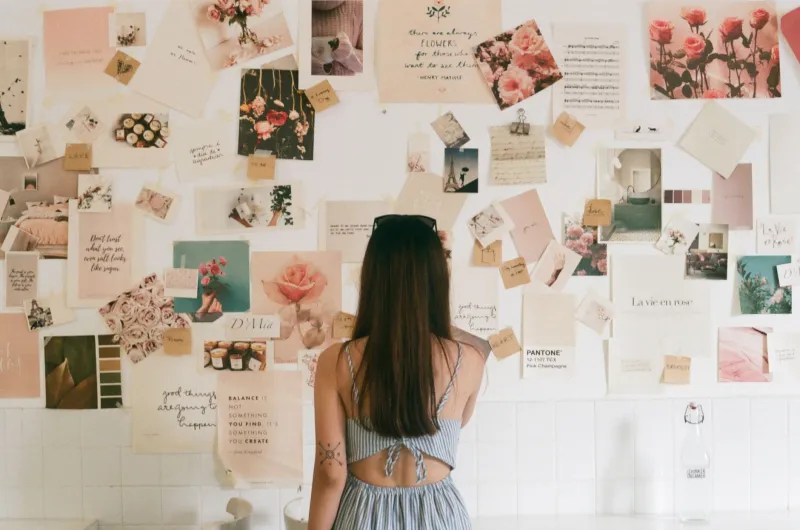
Imagine you're scrolling through Pinterest at an ungodly hour. You land on a photo: warm amber lighting, an open book with dog-eared pages, a cup of tea with steam curling up, a cardigan draped over a wooden chair, rain-streaked window in the background. You have never seen this exact image before. No one told you what it meant. And yet — instantly — you know exactly what it is.
That's dark academia. Or at least, that's its visual grammar.
Now try this: oversaturated sunset, chunky platform shoes, butterfly clips, a flip phone, a font that looks like it was designed by someone who peaked in 2002. You know that one too, don't you?
The internet has developed an entire ecosystem of visual languages — aesthetic dialects, if you want to get poetic about it — that communities recognize instantly without ever being formally taught. No brand guidelines. No style bibles. Just collective, emergent, weirdly coherent visual identity. And it's one of the most fascinating things happening in digital culture right now.
Aesthetics as Subculture Passports
Before the internet, subcultures announced themselves through physical markers — what you wore to school, what music was in your Walkman, what patches were on your jacket. The signals were real-world and local. Your aesthetic radius was basically your zip code.
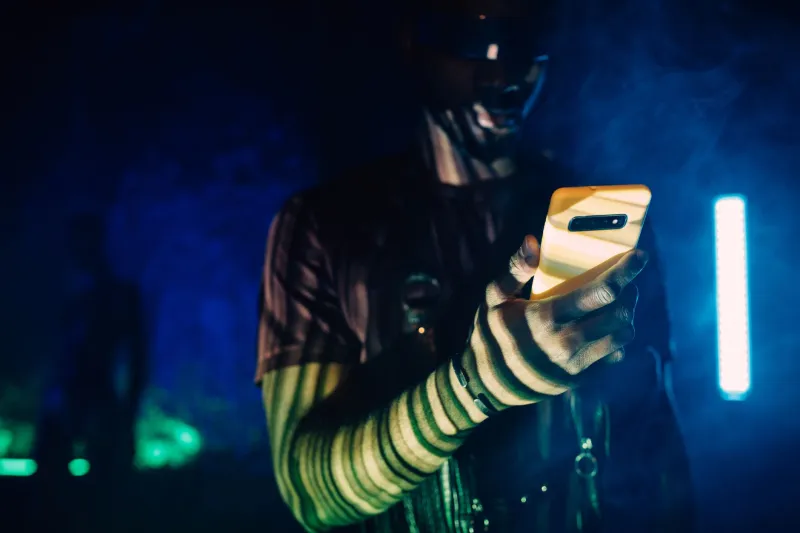
Online, that radius is infinite, but the logic is the same. Visual coding — specific color palettes, typography choices, photo filters, recurring objects and settings — functions as a kind of passport into a subculture. Post the right image with the right visual grammar and you're signaling membership without saying a word.
Gen Z has become particularly fluent in this language. Research into how younger users engage with platforms like TikTok and Tumblr (yes, Tumblr still matters — never count out Tumblr) consistently shows that aesthetic identification is a primary mode of community formation. You don't just follow people who share your interests. You follow people whose visual world resonates with yours.
The Anatomy of an Aesthetic
Let's break down what actually constitutes an internet aesthetic, because it's more layered than just "a vibe."
Color palette is usually the first signal. Cottagecore runs warm and muted — sage greens, dusty pinks, creamy whites. Weirdcore is deliberately off — sickly yellows, static-TV grays, colors that feel like they're vibrating at the wrong frequency. Dark academia is, predictably, dark — oxblood, forest green, candlelight gold.
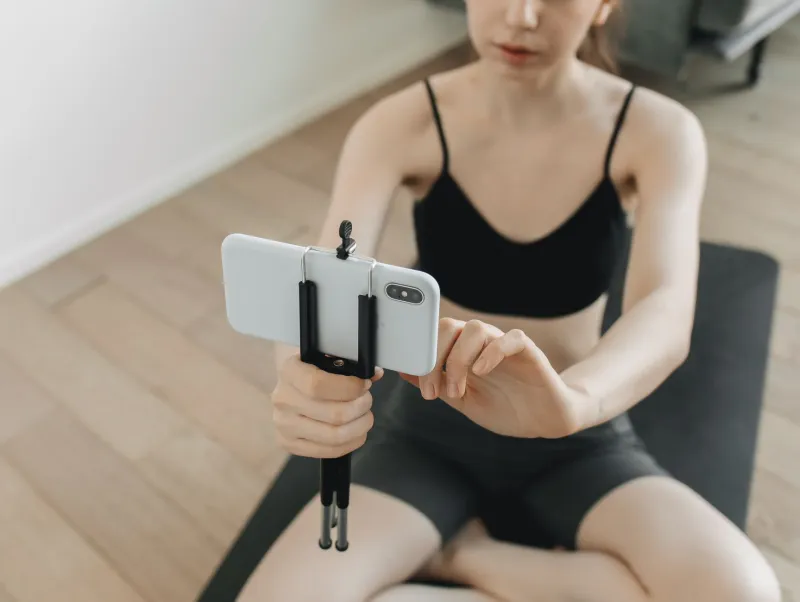
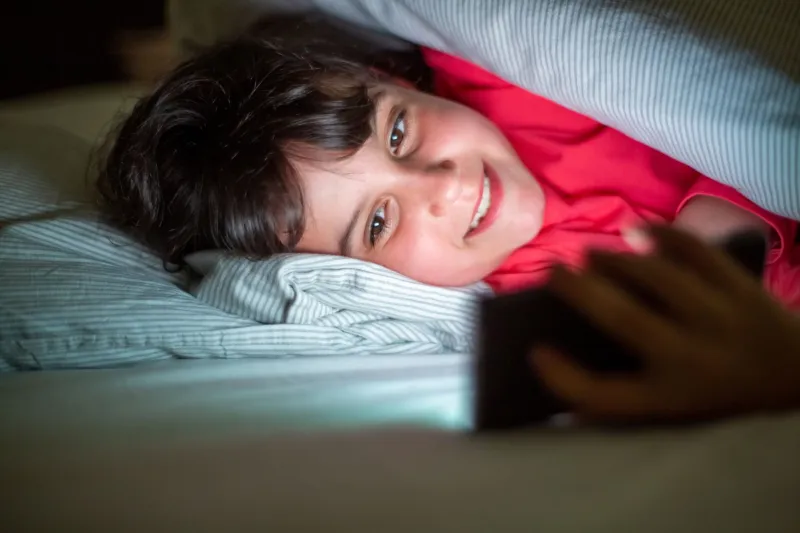
Texture and lighting carry enormous weight. Soft, diffused natural light reads as cottagecore or romantic academia. Harsh, high-contrast fluorescent light is liminal space territory. Grainy film photography is indie. Clean, ring-light-bright is influencer-core (which is, ironically, its own aesthetic).
Typography is a whole sub-language. Serif fonts with literary pretension say one thing. Glitchy, corrupted digital text says another. Rounded, childlike fonts signal something completely different. The font is part of the message.
Recurring objects act as shorthand. Pressed flowers mean something specific. A CRT monitor means something else. A ceramic mug on an exposed brick windowsill, an iPhone with a transparent case, a vintage camera, a forest trail at golden hour — each of these is a word in a visual vocabulary that millions of people are reading fluently.
The Viral Aesthetic Problem (And Why It's Interesting)
Here's where things get complicated. Aesthetics emerge organically from niche communities, but virality is a flattening force.
When an aesthetic crosses over — when it moves from a tight-knit Tumblr community to mainstream TikTok to, eventually, Target's home goods section — it undergoes a kind of dilution. The visual markers that once signaled genuine subcultural belonging become decorative shorthand, stripped of their original meaning.
Cottagecore, which began as a genuine counter-cultural movement rejecting hustle culture and celebrating slow, agrarian living, eventually became an aesthetic filter anyone could apply to a photo of a Trader Joe's haul. The visual language survived; the philosophical underpinning got quietly left behind.
This isn't necessarily tragic — it's just how culture moves. But it does create a constant pressure within subcultures to evolve, to find new visual markers that the mainstream hasn't yet colonized. The insiders always know when an aesthetic has gone mainstream because suddenly it stops feeling like a passport and starts feeling like a tourist t-shirt.
Why Gen Z Is Especially Good at This
There's a generational fluency at play here that's worth naming. Gen Z grew up in an environment where visual communication was constant, immediate, and high-stakes. Instagram was already a cultural institution when many of them were in middle school. The pressure to curate a coherent visual identity online was baked into adolescence in a way it simply wasn't for older generations.
As a result, Gen Z has developed what you might call aesthetic literacy at a genuinely impressive level. They can identify the sub-genre of a photo in seconds. They can tell the difference between genuine dark academia and dark academia cosplay. They know when a brand is doing aesthetic appropriation versus authentic participation.
This literacy is also a form of social currency. Being able to correctly identify, name, and deploy aesthetic languages is a marker of cultural fluency — which, online, is a marker of belonging.
The Nameless Ones
And then there are the aesthetics that never got named — the ones that exist as a shared recognition without a label. You've seen that specific type of photo: slightly overexposed, taken from below, a mundane suburban scene that feels inexplicably melancholy, like a memory you don't actually have. There's no universally agreed-upon name for that. But millions of people would recognize it immediately and feel the same inexplicable emotional response.
These unnamed aesthetics are, arguably, the most interesting ones. They exist in the space before categorization, before the think-pieces and the Pinterest boards and the retail knockoffs. They're pure visual language — communication happening below the level of words.
The internet, for all its chaos and noise, has quietly built one of the most complex visual communication systems in human history. Nobody called the meeting. Nobody wrote the style guide. And somehow, everyone knows the vibe.
That's the blaa magic of it, honestly.