The Algorithm Ghosted You and Now You're Eating Ice Cream on the Floor: A Guide to Engagement Collapse

You posted the same kind of content you always post. Same lighting. Same energy. Maybe even a better thumbnail. And then... nothing. A trickle of likes that felt more like pity claps than applause. Your reach nosedived, your impressions evaporated, and somewhere in Silicon Valley a server rack made a decision about you without so much as a courtesy text.
Welcome to the engagement cliff. Population: way more people than will ever admit it.
When the Numbers Stop Making Sense
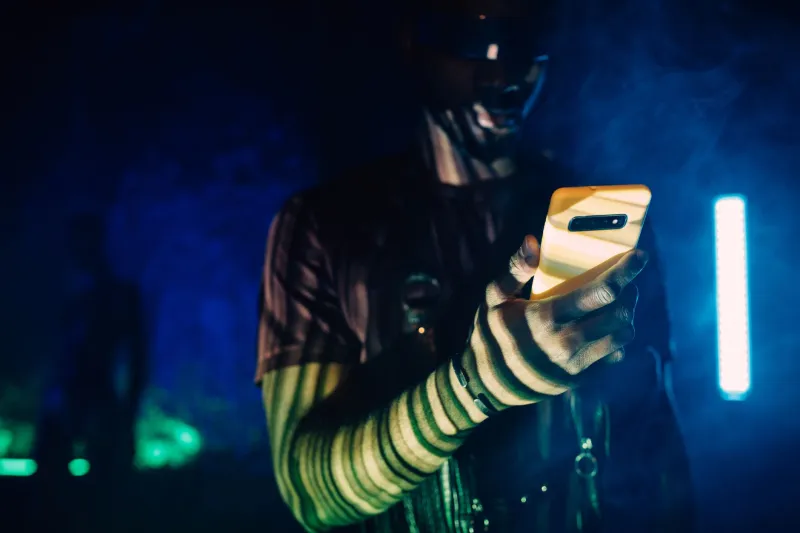
For anyone who has built even a modest online presence, the moment the metrics flatline carries a specific flavor of dread. It's not quite failure — you didn't do anything wrong, technically — but it feels like being quietly escorted out of a party you were just dancing at. Creators describe it in terms that sound less like a business problem and more like a breakup. "I kept checking my phone every twenty minutes," one TikTok creator with about 80,000 followers told a digital wellness forum. "It felt like waiting for someone to text back."
That feeling is not accidental, and it is definitely not irrational. Platforms are engineered with variable reward mechanics — the same psychological architecture that makes slot machines so effective. When the rewards stop coming, your brain genuinely registers the absence as loss, not just neutral change. So when your engagement tanks, you're not being dramatic. You're responding to a system that was designed to make you care this much.
The Shadow Ban Conspiracy (That Is Also Partially Real)
Before the spiral really gets going, most creators pass through the shadow ban investigation phase. This involves posting a test video, Googling your own username in incognito mode, and asking followers if they can even see your content anymore. It's digital hypochondria, and it is extremely relatable.
Here's the complicated truth: shadow banning — the practice of quietly suppressing a user's content without notifying them — is a thing that platforms officially deny and unofficially absolutely do. Instagram has acknowledged "content filters" that reduce distribution for posts that violate community guidelines in soft ways. TikTok has admitted to suppressing content from users deemed "vulnerable" to bullying. The line between a genuine shadow ban and simply losing the algorithm's favor is genuinely blurry, which is exactly what makes the paranoia so sticky.
You can't fight what you can't confirm exists. So you start auditing your content at 1 a.m., removing hashtags, re-uploading videos, and reading Reddit threads from 2021 that may or may not still apply.
Does the Algorithm's Opinion Actually Matter?
Here's the question nobody wants to sit with: does it mean something when the algorithm stops boosting you?
Short answer: not in the way it feels like it does.
The algorithm is not a critic. It is not a taste-maker or a judge of your value as a human. It is a probability engine optimizing for watch time, ad revenue, and platform retention. When it stops pushing your content, the most likely explanations are mundane: a shift in platform priorities, a change in how your niche is being categorized, or simply the brutal math of too many creators competing for finite attention real estate. The algorithm didn't call you boring. It ran a calculation. Those are very different things.
And yet. The psychological impact is real regardless of the mechanical cause. Researchers studying social media and self-esteem have found that sudden drops in engagement trigger responses similar to social rejection — because to your nervous system, they basically are. Humans evolved to care intensely about being seen by their community. The platform just hijacked that wiring.
The Rebuild: What Actually Works
So you've spiraled. You've deleted and re-posted. You've changed your posting schedule four times in two weeks. You've considered pivoting to a completely different content category because someone on YouTube said that worked for them in 2019. What now?
Creators who successfully climb back from an engagement collapse tend to share a few habits that sound annoyingly obvious but genuinely hold up:
Stop feeding the refresh cycle. Checking your analytics every hour doesn't change them; it just keeps you emotionally hostage to numbers that move slowly. Checking once a day is a reasonable ceiling when you're in recovery mode.
Go smaller, intentionally. Some creators report that deliberately posting for their existing community — responding to comments, making content that references inside jokes with longtime followers — rebuilds the engagement signal that tells the algorithm there's real activity on your account. Ironically, ignoring the algorithm and talking to actual humans sometimes resets the numbers.
Change one variable at a time. The instinct to overhaul everything simultaneously is understandable but counterproductive. You end up with no data about what actually moved the needle.
Consider that the platform might just be declining. Sometimes the engagement drop isn't about you. Sometimes the platform is losing users, shifting demographics, or just quietly dying the way platforms do. Building presence on multiple channels isn't hedging your bets — it's basic survival strategy at this point.
The Part Nobody Talks About
There's a grief process that comes with this that the creator economy doesn't like to acknowledge. When your numbers were good, part of your identity got attached to them. When they fall, a piece of how you understood yourself goes with them. That's worth sitting with honestly rather than immediately trying to fix.
The creators who navigate engagement collapse best aren't the ones who immediately crack the algorithm again. They're the ones who figured out why they were making content in the first place — and whether that reason still holds when nobody's watching.
Spoiler: for the ones who stick around, it usually does.