You Didn't Even Know Them and You're Still Mourning: The Strange Grief of a Parasocial Breakup
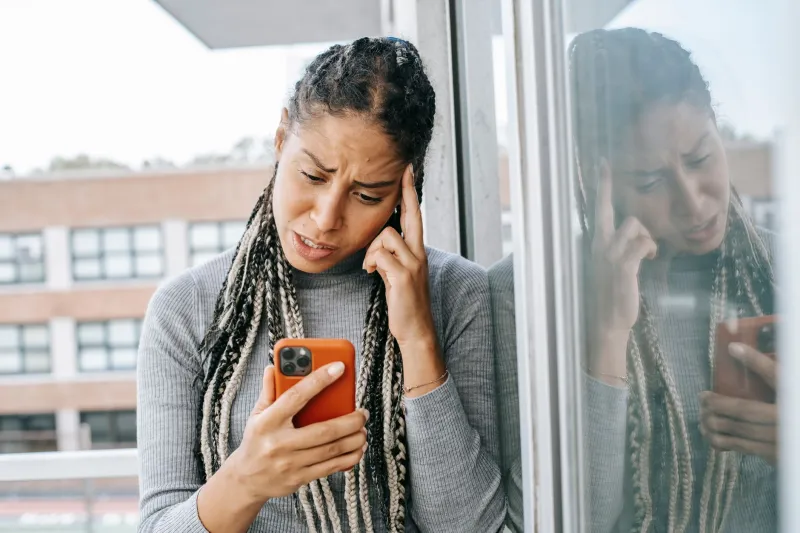
Let's set the scene. You've watched someone's videos every week for three years. You know their coffee order, their cat's name, their complicated feelings about their mom. You've laughed with them, cried with them, and defended them in comment sections with the energy of a courtroom attorney. Then one day — a screenshot drops. A controversy erupts. And suddenly everything you thought you knew curdles like oat milk left out in July.
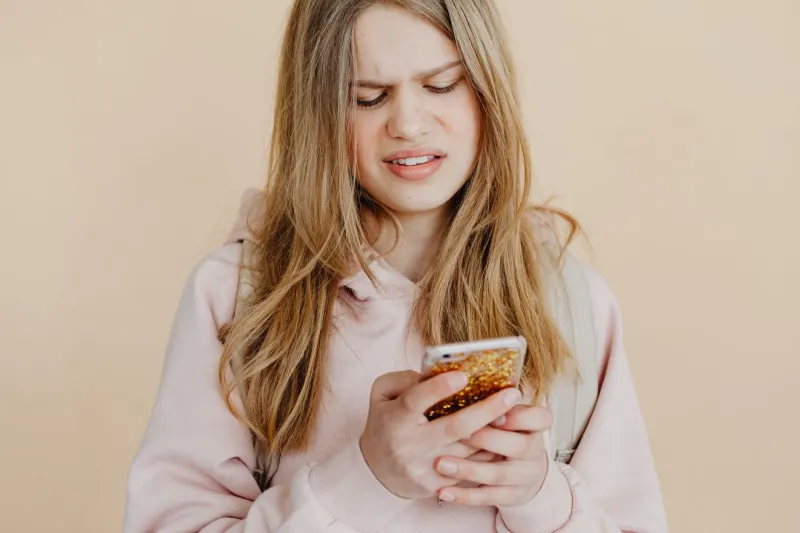
Here's the part nobody wants to say out loud: it hurts. Like, genuinely, chest-tightening, appetite-ruining hurts. And then comes the second wave of pain — the embarrassment of feeling so wrecked over someone who doesn't know your name.
Welcome to the parasocial breakup. It's messy, it's modern, and it's more psychologically real than most people give it credit for.
What Even Is a Parasocial Relationship, Anyway?
The term "parasocial" was coined back in 1956 by sociologists Donald Horton and Richard Wohl to describe the one-sided bonds audiences form with media figures. Back then, they were mostly talking about TV hosts. Now we're talking about a 24-year-old with a ring light and a Substack who has somehow become the emotional anchor of your Tuesday afternoons.
The intimacy of modern content creation has turbocharged this phenomenon to a degree those 1950s researchers couldn't have imagined. Creators don't just perform — they share. Morning routines, therapy revelations, relationship drama, hot takes at 2 a.m. The algorithm rewards vulnerability, which means the content we consume is specifically engineered (intentionally or not) to make us feel like we know these people.
And when you feel like you know someone, you form expectations. And when someone violates your expectations? You grieve.
The Grief Cycle, But Make It Digital
Psychologists have noted that parasocial breakups can mirror the stages of real relationship dissolution — and that's not as dramatic as it sounds. When a creator you love does something that feels like a betrayal, your brain processes it using the same emotional architecture it uses for actual interpersonal conflict.
First comes denial. The initial reaction to a cancellation moment is almost always "wait, there has to be more context." You refresh Twitter. You watch the apology video twice. You look for the angle that makes your person not the villain.
Then comes anger — either at the creator or at the people going after them, depending on your allegiance. Comment sections become war zones. Fan communities fracture into factions. Group chats that once bonded over shared love now become courtrooms.
Bargaining looks like: "But they've done so much good." "One mistake doesn't erase years of content." "They were clearly going through something."
Depression is quieter. It's the weird hollow feeling when you open the app and instinctively navigate to their page before remembering why you stopped. It's the way the parasocial void doesn't immediately fill.
And acceptance — well, that one varies wildly. Some people move on. Some people never fully do. And some people cycle back through the whole thing when the creator drops a comeback video.
Case Studies in Parasocial Heartbreak
The internet has produced some spectacular examples of mass parasocial grief in recent years.
When James Charles and Tati Westbrook's falling-out went nuclear in 2019, it wasn't just a drama between two YouTubers — it was millions of fans processing what felt like watching two beloved relatives have a catastrophic Thanksgiving fight. People who had never met either creator were posting tearful reaction videos. The parasocial investment was so deep that the fallout felt personal.
Similarly, when various podcast hosts, streamers, or Twitter personalities have been exposed for behavior that contradicts the persona they'd built, the fan response follows a predictable emotional arc. The loudest voices aren't just angry at the behavior — they're grieving the version of that person they thought existed.
That's the core of it, really. You're not mourning the real person. You're mourning the character you constructed in your head using their content as raw material.
Why It Hits Different Than Real Drama
Here's the truly strange part: a parasocial breakup can sometimes hurt more than a real one. And there's a psychological reason for that.
In a real relationship, conflict is bidirectional. You get to fight back, explain yourself, have context. In a parasocial relationship, you're a spectator to your own heartbreak. The creator isn't going to DM you and explain. They're not going to acknowledge that you specifically are devastated. You just have to sit with it.
There's also the community dimension. When a creator falls from grace, entire fan communities splinter. The parasocial loss is compounded by the loss of a social space — the subreddit, the Discord, the fan accounts — that was built around shared affection. You lose the person and the village.
So What Does This Say About Us?
Honestly? It says we're human. The capacity to form emotional bonds through one-way media consumption isn't a bug in our psychology — it's a feature. Empathy doesn't require physical proximity. Attachment doesn't require reciprocity to be real.
But it does suggest we'd benefit from being a little more conscious about where we're depositing our emotional energy online. Not in a "parasocial relationships are bad" way — because they're not inherently bad. They provide community, entertainment, comfort, and genuine joy. But building a parasocial relationship on the assumption that the content someone produces is the totality of who they are is a setup for eventual disillusionment.
Creators are people. Complicated, flawed, sometimes deeply messy people who happen to have cameras. The persona is real but it's also curated. The connection you feel is real but it's also one-directional.
Grieve the loss. Feel the feelings. And then, maybe, spread your emotional investments around a little. Your parasocial portfolio, like any portfolio, probably shouldn't be all in on one person.
Because the internet giveth, and the internet — with a single screenshot — absolutely taketh away.